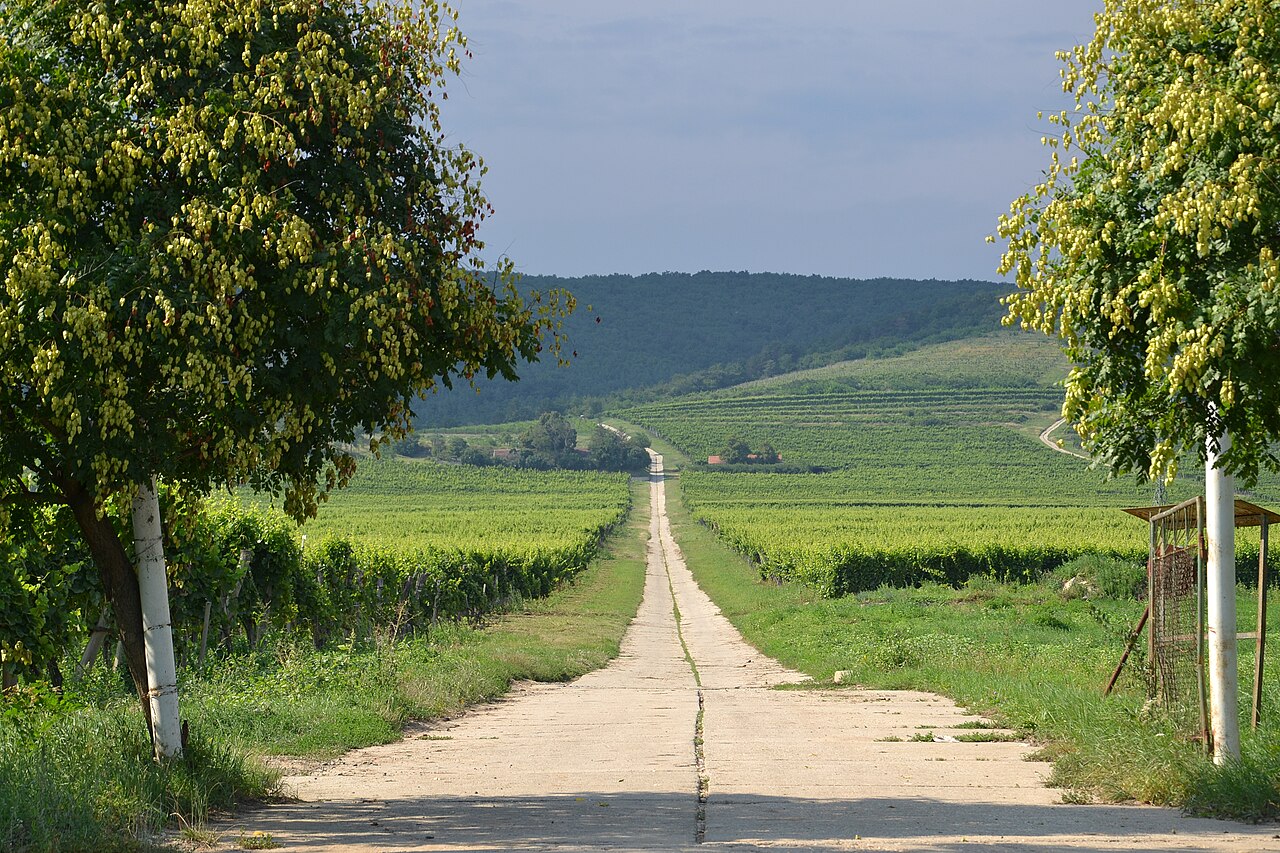
Wine basics
A clear guide to tasting wine
Colour, aroma and taste reveal different details. A simple method helps you understand the wine and put your own impressions into words.
Wine knowledge, food, native varieties, global context and the people behind the landscape.
10 stories
Colour, aroma and taste reveal different details. A simple method helps you understand the wine and put your own impressions into words.
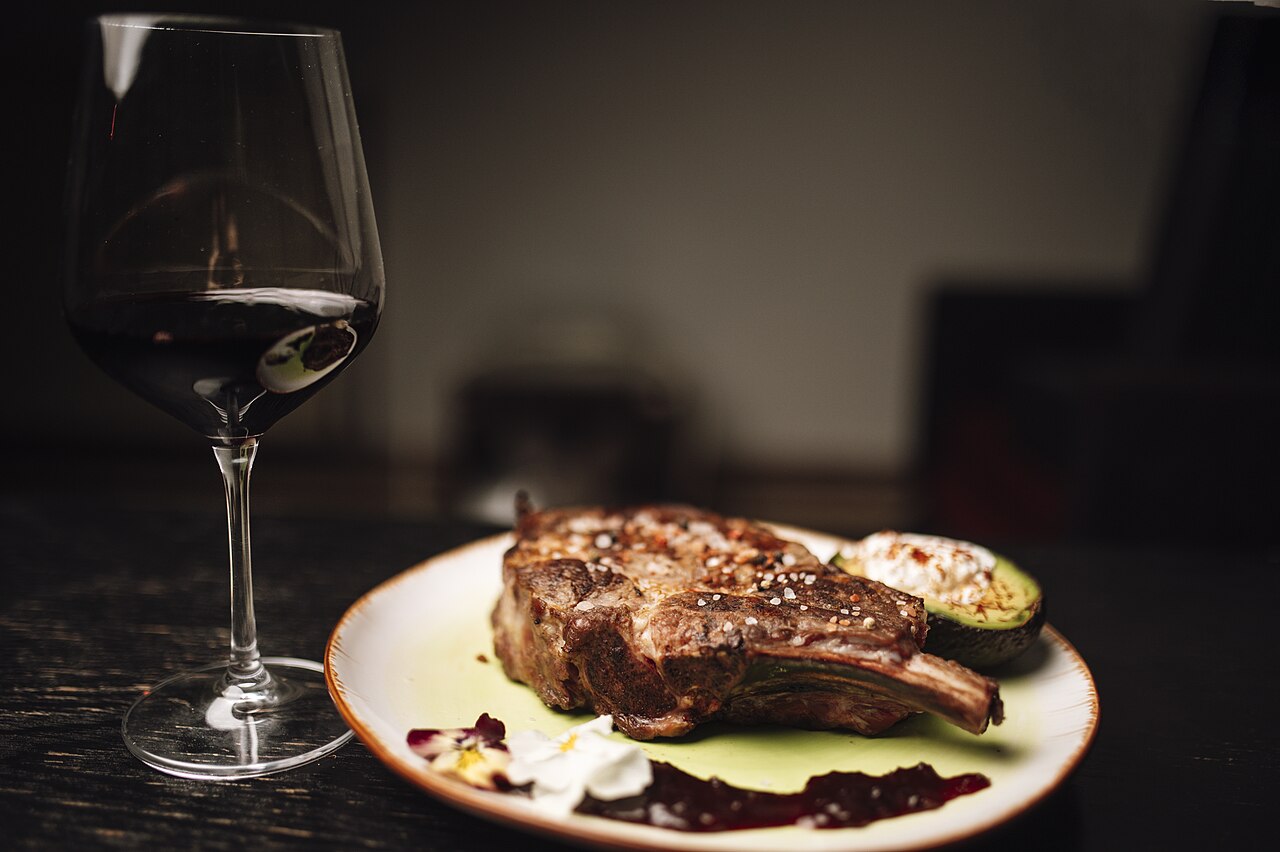
Sauce, acidity, sweetness and seasoning can tell you more than whether the plate contains fish or meat. Here is a practical way to choose.
Acidity, growing conditions and winemaking all shape Mór’s emblematic grape. A practical guide to choosing a bottle and comparing two different expressions of Ezerjó.
A vintage is not a quality ranking. Here is what to consider before ageing a bottle and how to follow its development.
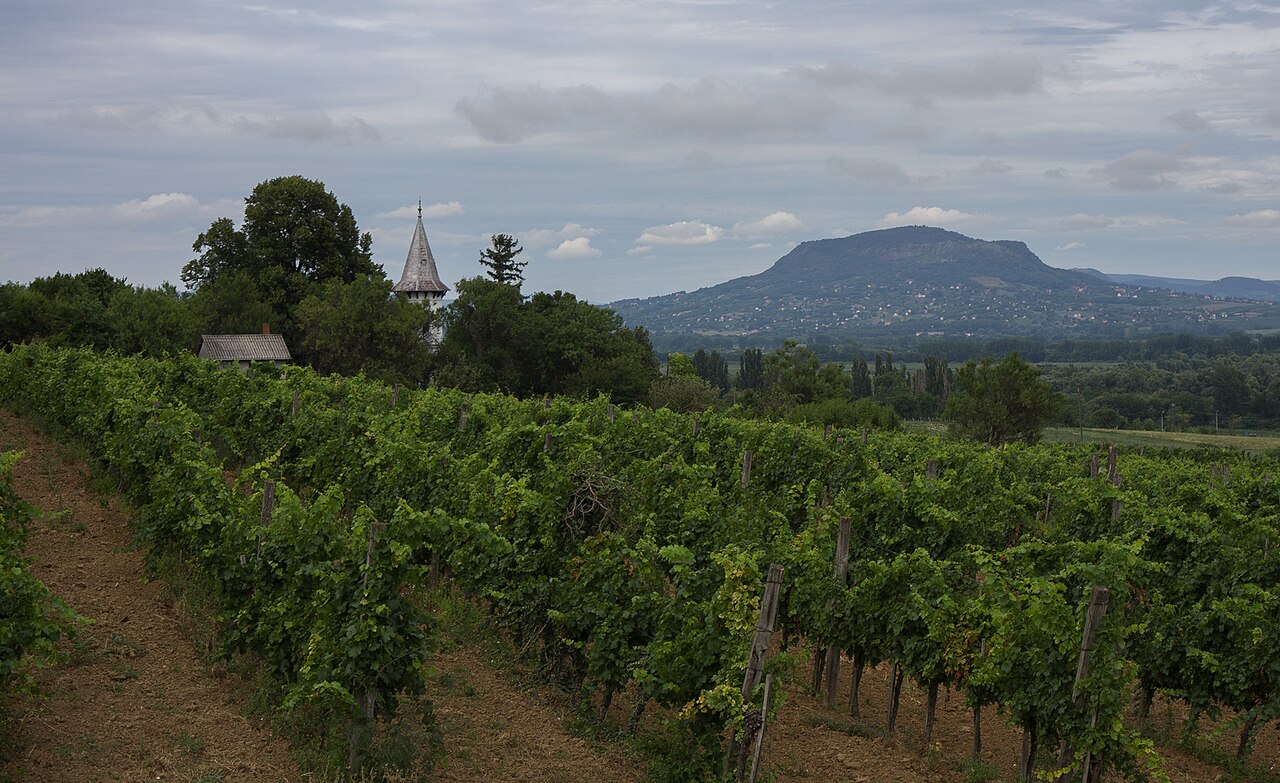
Grape pigments, winemaking and the wine’s condition all shape its appearance. Colour offers clues, but it cannot reveal a complete recipe.
Sweetness and bubbles describe different things. Understanding the main production methods and label terms makes choosing a bottle easier.
Examples from Tokaj, Hajós, Hercegkút and Mór reveal how cellars and press houses reflect local work, landscapes and communities.
No single measurement determines a harvest date. Intended wine style, representative sampling, different signs of ripeness and processing capacity all help build a meaningful picture.
Fish soup, chicken paprikash, stuffed cabbage or apple strudel: start with the whole dish. Practical suggestions and simple comparisons help guide your choice.
A suitable temperature and a clean, useful glass help you appreciate a wine. You do not need a separate set of glasses for every grape.