Hungarian food and wine: pairings for our table
Fish soup, chicken paprikash, stuffed cabbage or apple strudel: start with the whole dish. Practical suggestions and simple comparisons help guide your choice.
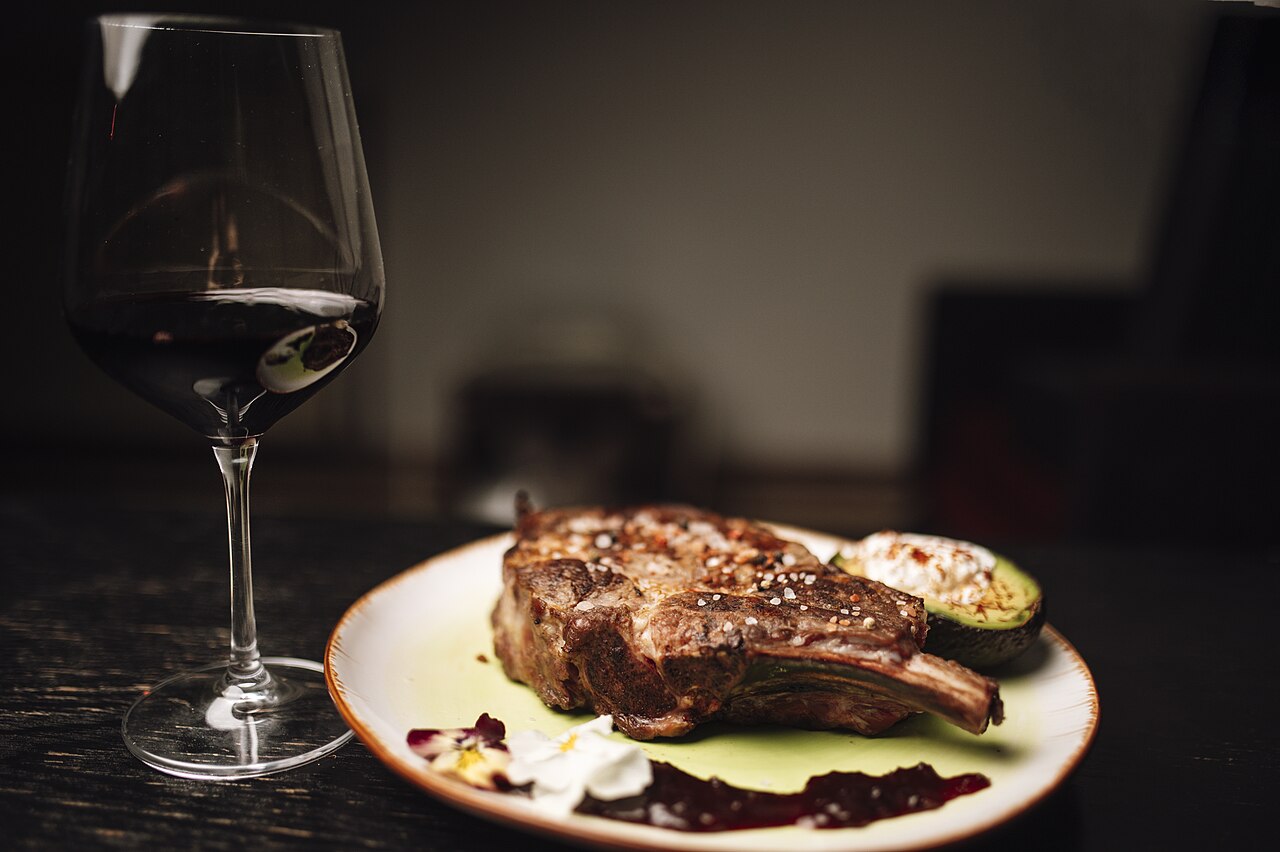
There is no single correct wine list for Hungarian cooking. The same meat presents a different challenge in paprika sauce, roasted until crisp or served with a tart side dish. Treat the pairings below as suggestions to try. What matters is how the complete bite and your chosen wine work together for you.
Taste the complete dish first
Food can alter a wine’s perceived fruitiness, acidity or bitterness. Salt can make a tannic wine seem smoother, while an umami-rich bite can highlight bitterness and reduce the impression of fruit. Sauce, seasoning and sides therefore deserve as much attention as the principal ingredient.[1]
Build a bite that includes both sauce and accompaniment, then taste the wine again. Ask whether the combination is more enjoyable or whether one element dominates. If pickles are served, try them in a separate comparison. This gives you a concrete basis for choosing instead of a general rule about the colour of the meat.
Fish soup and fried fish need separate thinking
Magyar Bor’s festive pairing guide suggests lighter Kadarka, Kékfrankos or Portugieser with paprika-rich fish soup, while also exploring white wines for fried fish. This illustrates why every fish dish need not be assigned to the same wine category: preparation deserves attention in its own right.[2]
For a home trial with fish soup, choose a red with restrained tannin and initially offer hot paprika separately. With fried fish, our starting suggestion is a dry Olaszrizling. Add lemon or tartare sauce to individual bites and notice what changes. The favourite that emerges will relate to your own recipe.
Paprikash and pörkölt: give the sauce a say
With chicken paprikash enriched with sour cream, we would compare a dry white and a lighter Kadarka. Taste first with plenty of sauce, then with more dumplings. The question is not which wine suits an abstract chicken, but which you would enjoy another sip of alongside that particular plate. Repeat the exercise with your own seasoning if you make mushroom paprikash.
Stuffed cabbage and roasted meats
With stuffed cabbage, note how tart the cabbage is, how prominent the smoked meat tastes and whether you add sour cream. We would start with a dry Furmint, adding a moderately bodied Kékfrankos if a comparison is possible. Serve the sour cream separately at first to discover how much it changes your preferred combination.
With roast duck, we would approach braised cabbage differently from a sweet fruit sauce. For the first version, we would begin with a medium-bodied red; for the second, we would pay particular attention to the amount of sauce. Kékfrankos or Bikavér could be our trial with beef pörkölt, with the sauce’s intensity and personal taste guiding the final choice.
Dessert and chilli deserve attention
For dessert, a useful starting point is a wine at least as sweet as the food. With hot dishes, alcohol and strong tannin can make the combination feel less comfortable, so choose thoughtfully. These are helpful guides, but the dish’s actual sweetness or heat and your guests’ preferences still matter.[3]
We would experiment with a late-harvest white alongside apple strudel and Tokaji Aszú with a walnut or apricot-jam pastry. Taste before adding a dusting of sugar, then decide how to serve it. A full menu does not require a new bottle for every course: choose a few considered combinations and leave room for different preferences around the table.
Sources and further reading
- 1. How to pair wine with your favourite takeaway mealsWine & Spirit Education Trust
- 2. Wine choices for traditional Hungarian Christmas dishesMagyar Bor
- 3. 5 steps to pairing food with wineWine Australia