Cellars and press houses: reading a wine region’s buildings
Examples from Tokaj, Hajós, Hercegkút and Mór reveal how cellars and press houses reflect local work, landscapes and communities.
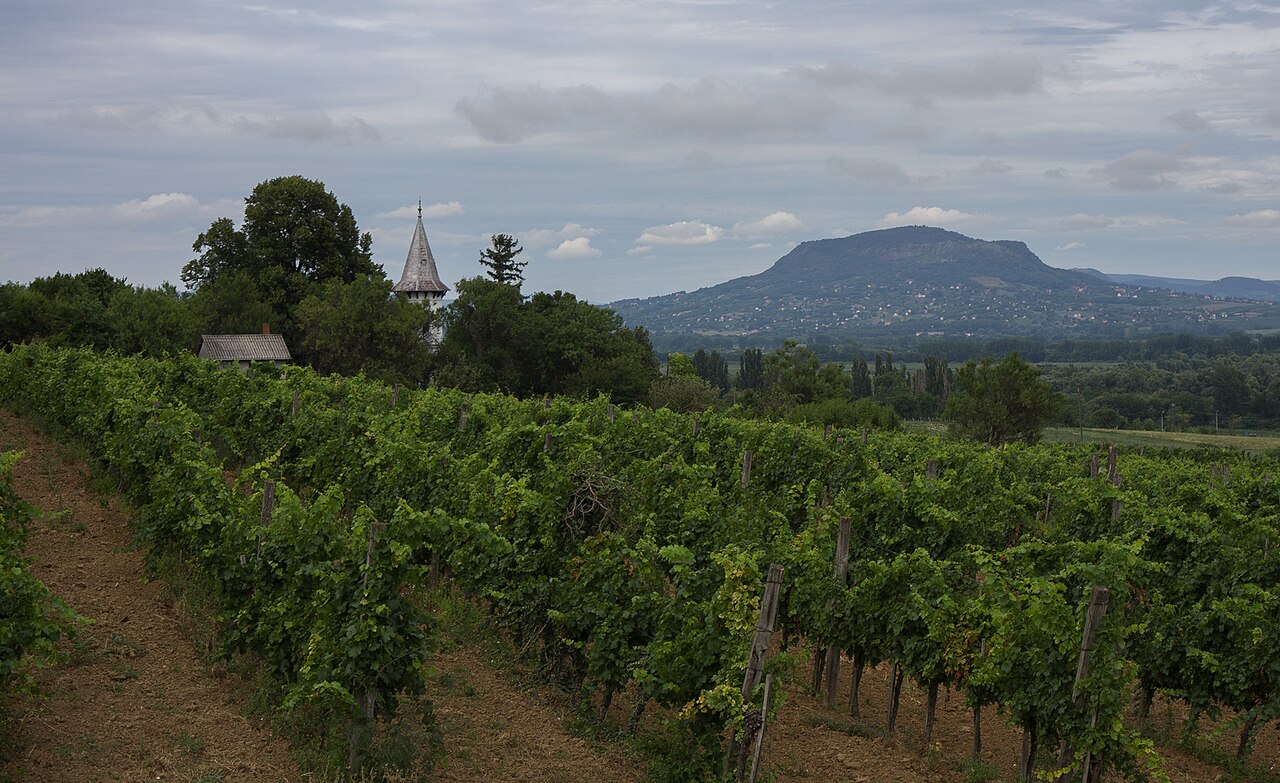
Standing outside a cellar door, it is easy to think only about the wine. Yet the building’s position, the proportions of its entrance, the yard and its relationship to neighbouring houses all invite questions. Who worked here, how did the grapes arrive, where were things stored, and where did people meet? Such questions can turn a cellar visit into an exploration of a wine region’s everyday culture.
Tokaj: from the cellar to the landscape
UNESCO presents Tokaj’s World Heritage value through the connected system of vineyards, settlements, farms and historic cellar networks. Its description includes both vaulted and excavated cellars, with excavated spaces mainly cut into volcanic rock. A building can therefore be understood as part of a wine landscape that remains in use.[1]
Look at a map of the settlement before visiting, then notice the route by which you approach the cellar. Ask your guide which parts are older and which have been adapted for present-day use. This helps distinguish the original structure from later restoration or spaces fitted out for visitors.
Hajós: a separate network of wine streets
The town of Hajós describes a cellar village separate from the residential settlement, with cellars dug into loess and press houses above them. Over time, brick and roof tiles also replaced earlier adobe construction and thatch. Grape and sun motifs appear among the façade decorations.[2]
A useful exercise here is to compare two neighbouring buildings. Where do their roofs, entrances or window arrangements match, and where do individual choices appear? A pair of photographs or a quick sketch can help reveal their proportions. Comparing building and alteration dates with local accounts can connect those differences with their history.
Hercegkút: the pattern of the hillside
Hercegkút’s official website highlights the Kőporos and Gombos Hill cellar rows. At Gombos Hill, four parallel rows follow the hillside; these cellar rows belong to the Tokaj World Heritage setting. The municipality advises arranging cellar visits with the owners.[3]
First look at the rhythm of the rows from a distance, then study a single entrance close up. What relationship can you see between the slope and the position of the door? Before entering, establish which spaces are open to visitors, whether photographs are welcome and where the group should stand. An exterior you can see does not imply unrestricted access to the cellar.
Mór: the press house as a working space
The Mór wine district’s tourism organisation links a characteristic local press-house tradition with Swabian settlers. Its description includes a press house set across the cellar’s axis, a large central door, windows on both sides, a rest room and a wooden press with stone weights.[4]
When an old tool is on display, ask your guide to describe a working day. Where did the grapes go, who operated the press, and where did processing continue? An object’s purpose becomes clearer when you can connect it with movement through the building.
What to take away from a visit
Look for a distinctive detail in each place that you would enjoy describing to someone else. Choose three observations: one about the building, one about work and one about the local community. You might ask which tasks people shared, on what occasions they used the space and what has changed in its present operation.
Imagine, for example, a wide entrance, an old press and a photograph of a community celebration. They can prompt three different questions: how were materials moved, which task did the tool make easier, and who used the place? Recognising these connections gives a visit its value. We can then remember the building together with its work and its people.
Sources and further reading
- 1. Tokaj Wine Region Historic Cultural LandscapeUNESCO World Heritage Centre
- 2. The cellar villageHajós Város Önkormányzata
- 3. Sights of HercegkútHercegkút Község Önkormányzata
- 4. History of the Mór wine districtMóri Borvidék TDM