Ezerjó: a distinctive white grape of Mór
Acidity, growing conditions and winemaking all shape Mór’s emblematic grape. A practical guide to choosing a bottle and comparing two different expressions of Ezerjó.
A useful starting question for Ezerjó is what role acidity plays in the particular wine. The grape’s name alone does not tell us whether the experience will be light, full, dry or sweet. Looking at the growing site, vintage and decisions in the cellar produces a more interesting portrait than any single adjective.
Finding Mór on the map
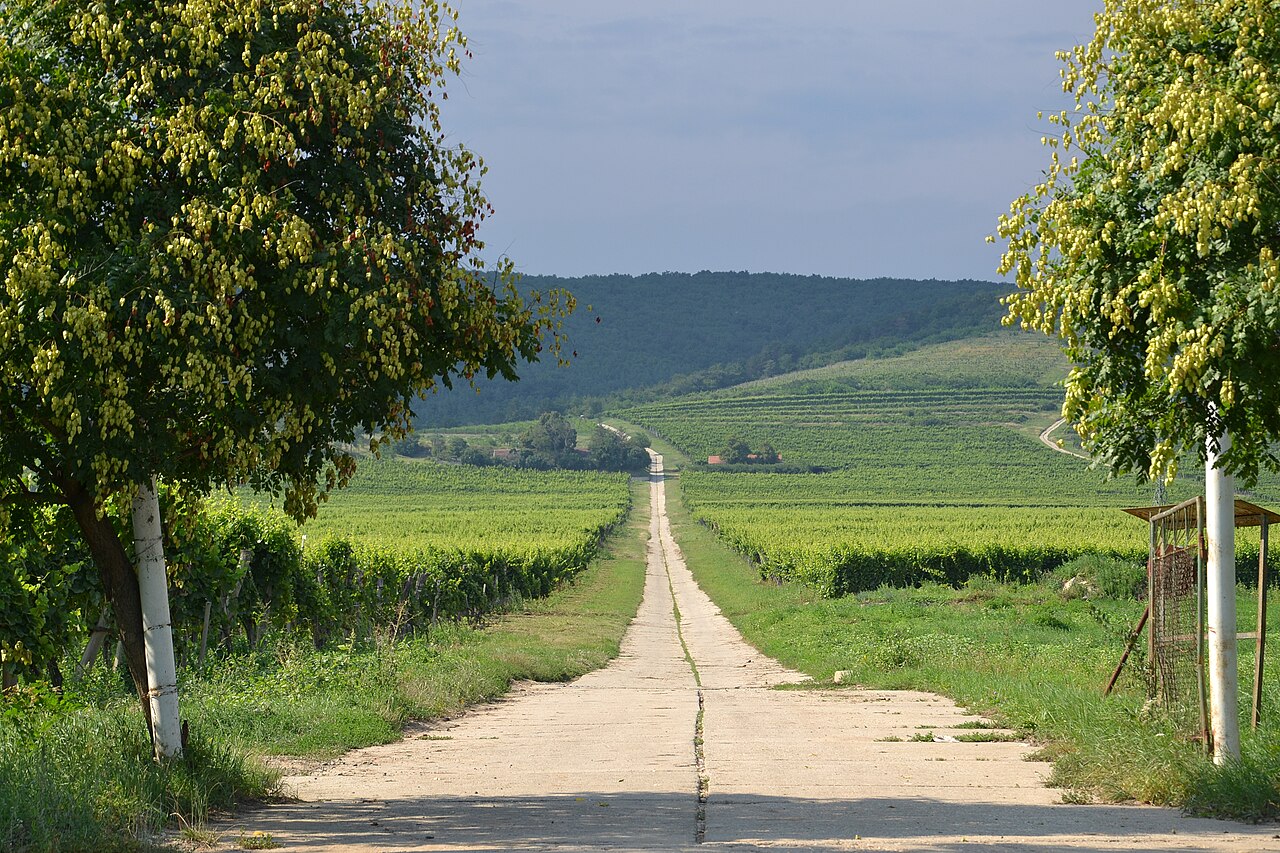
The Mór wine district lies around the Mór trough between the Bakony and Vértes hills. Magyar Bor describes a climate cooler than the Hungarian average and varied ground associated with dolomite, limestone, loess and clay. This provides geographical context, rather than a tasting description that applies to every bottle.[2]
The district’s profile also highlights exposure and local climate as important differences between vineyard sites. Mór therefore encompasses a range of positions: a vineyard name helps locate a wine more precisely on this varied map, drawing attention to the terrain as well as its geology.[2]
How did it become a symbol of Mór?
According to the local tourism organisation’s historical account, Ezerjó became the area’s principal grape during replanting after phylloxera. Mór was recognised as an independent wine district in 1928, and a wine day was held in 1934 to promote its wines. The association between grape and district therefore has a tangible historical background.[3]
During a visit to Mór, explore the cellar’s history alongside the wine in the bottle. Ask how long the family has worked with Ezerjó and whether old harvest records or tools survive. A personal account can reveal how local knowledge is passed on and reinterpreted.
Acidity and different styles
Magyar Bor’s grape profile describes Ezerjó as restrained in aroma with pronounced acidity, listing herbal, pear and honey notes among its possible characteristics. It can also produce higher alcohol and an oily texture, so acidity does not necessarily imply a light body. It is grown in Kunság and Neszmély as well as Mór. These are useful reference points; individual wines do not display all of them at once.[1]
During tasting, notice whether the acidity leaves room for aromas and a sense of fullness. Words such as lively, lean, rounded or angular can be useful, provided you explain what prompted them. Your personal enjoyment and your description of the wine each deserve their own note.
Dry wine, sweet wine and sparkling wine
The official Soltvadkerti Ezerjó specification illustrates this versatility through white wine, wine made from shrivelled grapes and sparkling wine. It describes delicate floral aromas and pronounced acidity in the white wine, and honeyed, ripe or dried-fruit characteristics in the shrivelled-grape style. In the latter, sugar concentrated through shrivelling can accompany a full, oily mouthfeel.[4]
The sparkling-wine description emphasises fresh acidity, fruit flavours and persistent bubbles. The same grape can therefore take different directions: when buying, information about sweetness and production style is at least as useful as the name Ezerjó itself.[4]
Two bottles, one clear question
For a comparison at home, choose two Ezerjós with a known difference: they might come from different producers or have undergone different maturation. Use matching glasses and make a short, independent note on each wine first. Read the wineries’ detailed tasting descriptions afterwards.
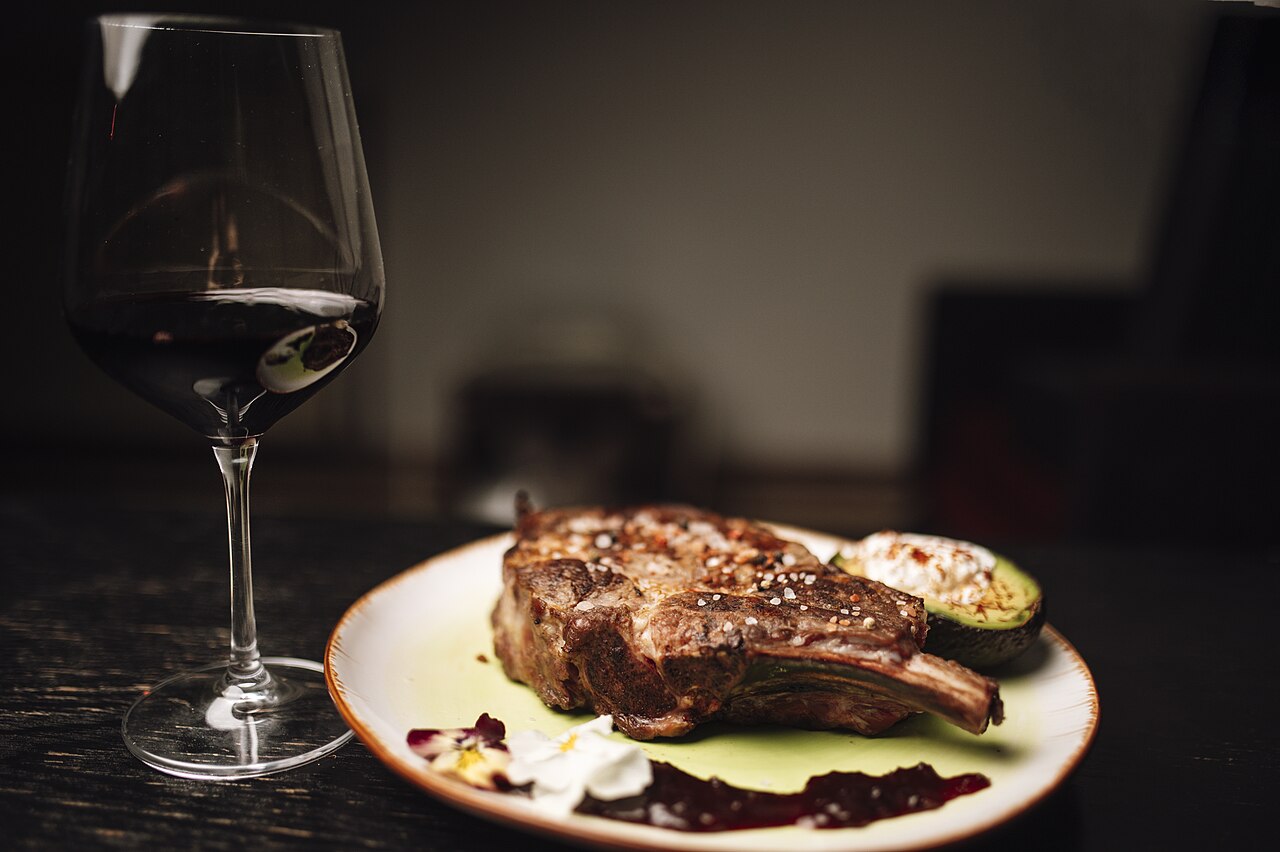
On a second pass, identify one similarity and two differences. If you try food alongside the wines, compare both with the same mouthful. Keep the conclusion specific: which combination would you choose again, and why? Two bottles do not need to produce a ranking or a verdict on the whole grape variety.
Sources and further reading
- 1. Ezerjó – grape profileMagyar Bor
- 2. Mór wine districtMagyar Bor
- 3. History of the Mór wine districtMóri Borvidék TDM
- 4. Soltvadkerti Ezerjó – official product specificationSoltvadkerti Hegyközség / Földművelésügyi Értesítő