Serving temperature and glassware
A suitable temperature and a clean, useful glass help you appreciate a wine. You do not need a separate set of glasses for every grape.
The aim of serving wine is to make the bottle you have chosen easy to appreciate. Restaurant equipment is unnecessary: a few consistent habits will do at home. Consider the bottle’s temperature, the condition of the glasses and the pace of serving together. If your first impression is disappointing, check these simple circumstances before reaching a final judgement about the wine.
Use temperature as a starting point
Around 10–13°C for fuller whites and 15–18°C for full-bodied reds are useful reference points. Lighter whites and rosés generally suit cooler service. Excessive chilling can suppress aromas, while the temperature of a warm modern room is often too high for red wine.[1]
Treat these ranges as guidance. Consider any specific advice from the producer and listen to your guest’s preference. A thermometer helps establish a comparable starting point, but good service does not depend on everyone insisting on one exact number.
Plan your chilling
An ice bucket should contain water as well as ice: cold water around the bottle cools more effectively than the air between ice cubes. Avoid radiators and other sudden heat sources when warming wine; let an overly cold bottle warm gradually.[1]
Check the bottle’s temperature before serving, and have an ice bucket ready if you might need one. If the wine initially seems too cold, observe a small amount again after a few minutes. Remember which condition you preferred, so you can prepare more deliberately next time.
Choose a useful glass, not a grape label
Glass size and shape can affect how aromas reach the nose. That does not mean every grape has one uniquely correct glass shape. The AWRI’s review treats stronger claims about specialised glassware cautiously. Identical glasses and equal pours provide a sensible starting point for comparison.[2]
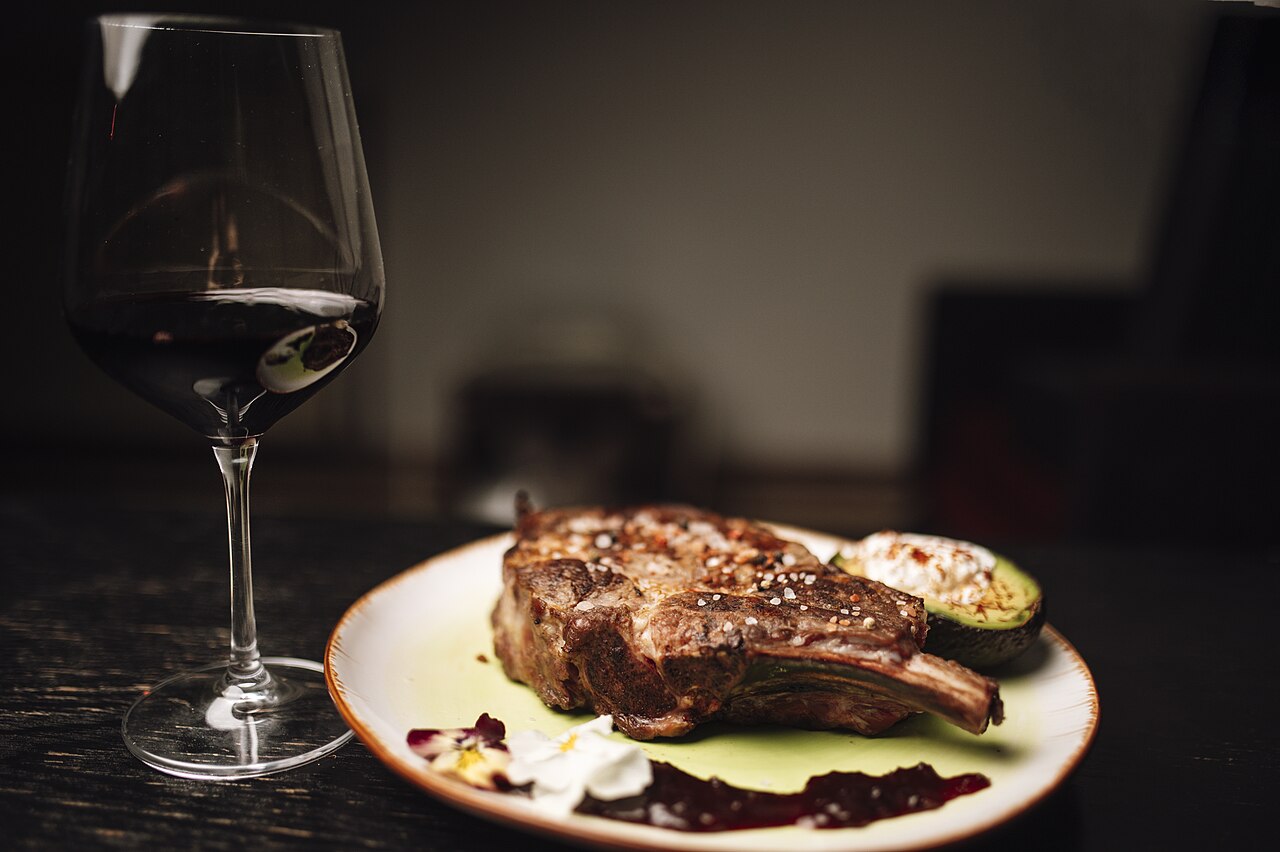
At home, choose a comfortable, transparent glass with space above a modest pour. One versatile shape can be a useful first set. If you later try another design, compare it using the same wine: ask whether it makes a meaningful difference to you, rather than which set sounds more prestigious.
Check the empty glass too
Glasses should be clean and free from foreign odours. The OIV’s expert guidance on sensory analysis includes careful washing, rinsing and checking glasses for smells before use. A simple home habit is to smell the empty glass before pouring.[3]
If you notice a smell reminiscent of detergent, a cupboard or a damp cloth, replace the glass and rinse it again. Another clean glass allows a quick comparison. There is little point blaming the bottle while the vessel used to serve it remains a source of uncertainty.[3]
Open sparkling wine with care
The Comité Champagne recommends roughly 8–10°C for serving Champagne. Keep a firm hold on the cork throughout opening, and never point the bottle at anyone. Slowly turn the bottle beneath the cork held in your hand so that it comes out under control. With pressure inside the bottle, a slow opening is preferable to a flying cork.[4]
For unhurried service, have the glasses and a clean cloth ready, with clear space on the table. Avoid opening the bottle while leaning over your guests. These small preparations make serving easier even at an informal dinner.
Sources and further reading
- 1. Ideal serving temperatures and top tips for wine storageWine & Spirit Education Trust
- 2. Advanced Wine Assessment Course notes: glasswareAustralian Wine Research Institute
- 3. Review document on sensory analysis of wineInternational Organisation of Vine and Wine
- 4. Opening and serving a bottle of ChampagneComité Champagne