How to pair Hungarian wine with food
Sauce, acidity, sweetness and seasoning can tell you more than whether the plate contains fish or meat. Here is a practical way to choose.
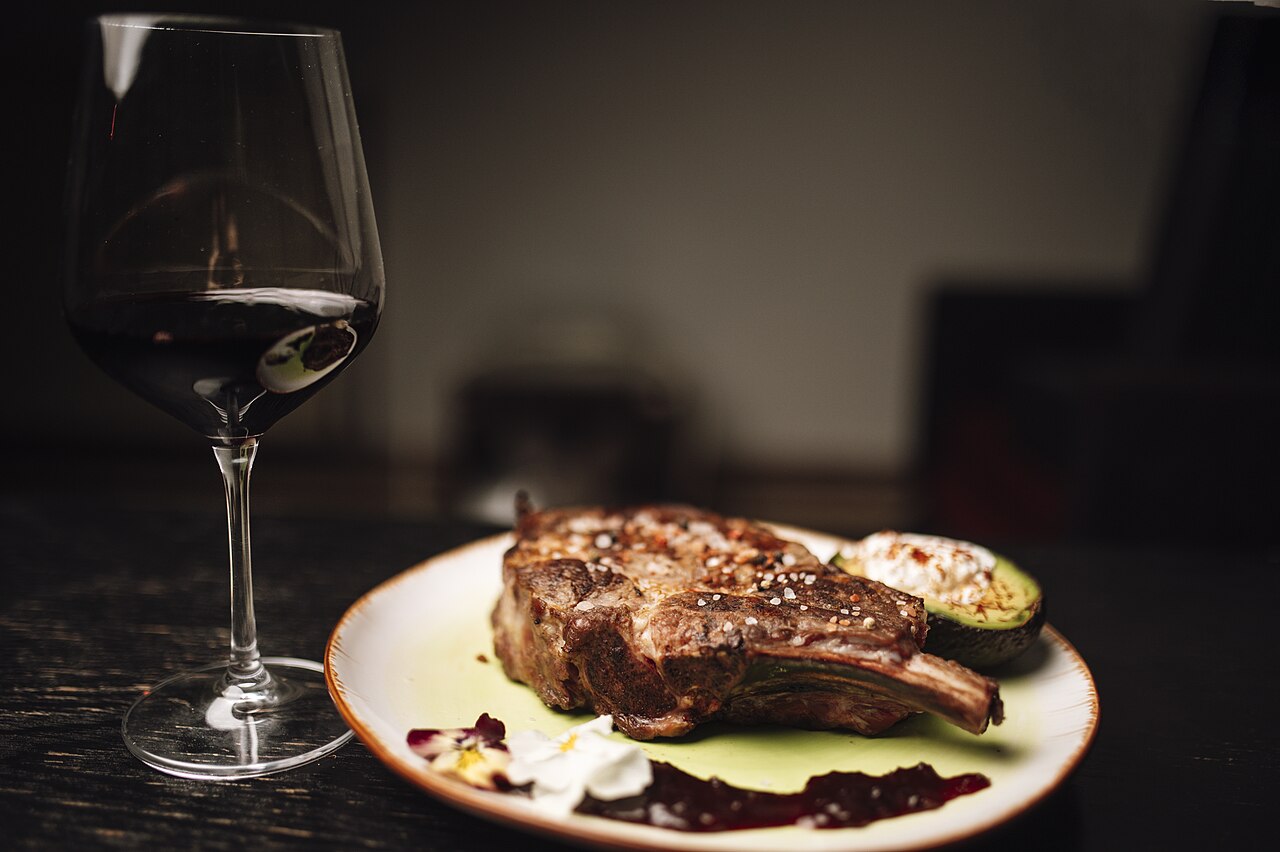
There is rarely one correct wine for a dish. A more useful question is what kind of partnership you want: something light and refreshing, a match that echoes the food, or an interesting contrast? You do not need to memorise long pairing charts. Start with the finished dish and consider a few manageable variables. The aim is a choice that suits you and the people at your table.
Consider the finished dish
Food can change how we perceive the same wine. Salt, acidity, sugar and chilli heat can therefore be more useful clues than a simple ingredient list. Personal preference also matters: a style you dislike does not automatically become a good choice because it is a traditional match.[1]
Imagine the same fish fillet with lemon and herbs, in a butter sauce, or beside a smoky paprika stew. Picture a complete mouthful, including its garnish and sauce, when choosing the wine. The phrase “white wine with fish” tells you little about these differences.
Use acidity and sweetness as clues
Acidic food can make wine seem less acidic, so a wine that already feels soft may become rather flat. Sweet food can make wine appear drier, less fruity and even more bitter. With dessert, a wine of at least comparable sweetness, often greater sweetness, is therefore a useful starting point; portion size and the dish’s composition also matter.[2]
As an editorial starting point, you might try a dry Olaszrizling with lively acidity alongside a lemon-based dish, or a sweet Tokaj wine matched to the sweetness of a fruit dessert. These are suggestions to explore. Consider the actual bottle’s style rather than relying on its grape or region, and remember the sauce.
Spice aromas and chilli heat are different
Chilli heat can intensify the sensation of alcohol and make tannin feel harsher. If you want to soften that effect, a lower-alcohol, less tannic style is a useful starting point; some sweetness may also reduce the perceived heat. This is a different task from pairing wine with fragrant spices that are not hot.[3]
For a paprika-based dish, first establish whether the paprika is aromatic or fiercely hot. The same recipe name can describe quite different food; it is worth asking about this when discussing what your guests enjoy.
Check the balance at the table
Matching the intensity of food and wine is a useful idea, but not a universal law. In a consumer study using Shiraz wines and different dishes, preferred pairings varied between groups, and a slight dominance of wine could be acceptable in the most successful combinations. Several factors can work together rather than producing one ideal form of balance.[4]
The practical question is simple: can you still recognise both partners, and do you want to return to them? If one disappears after every mouthful, try another wine style or adjust an accompaniment. A sauce served separately gives you more room to explore than a dish in which everything is already mixed together.
Build a small comparison
Do not make a multi-course dinner your first attempt at finding an answer. Choose one simple dish and, if you were already planning to serve two wines, compare the pairings. Observe each wine on its own, then after the food. Briefly note which pairing made it seem fresher, fruitier or firmer.
When hosting, reduce the task to two questions: what wine styles do your guests enjoy, and which part of the dish will be most prominent? The answers help you ask a wine merchant for more specific advice. Clearly expressed preferences are more useful than a prestigious pairing learned by rote.
Sources and further reading
- 1. Four rules for food and wine pairingWine & Spirit Education Trust
- 2. Winter wine and food matchingWine & Spirit Education Trust
- 3. How to pair drinks with spiceWine & Spirit Education Trust
- 4. Intertwined: What makes food and wine pairings appropriate?Kustos et al. / Food Research International